 By admin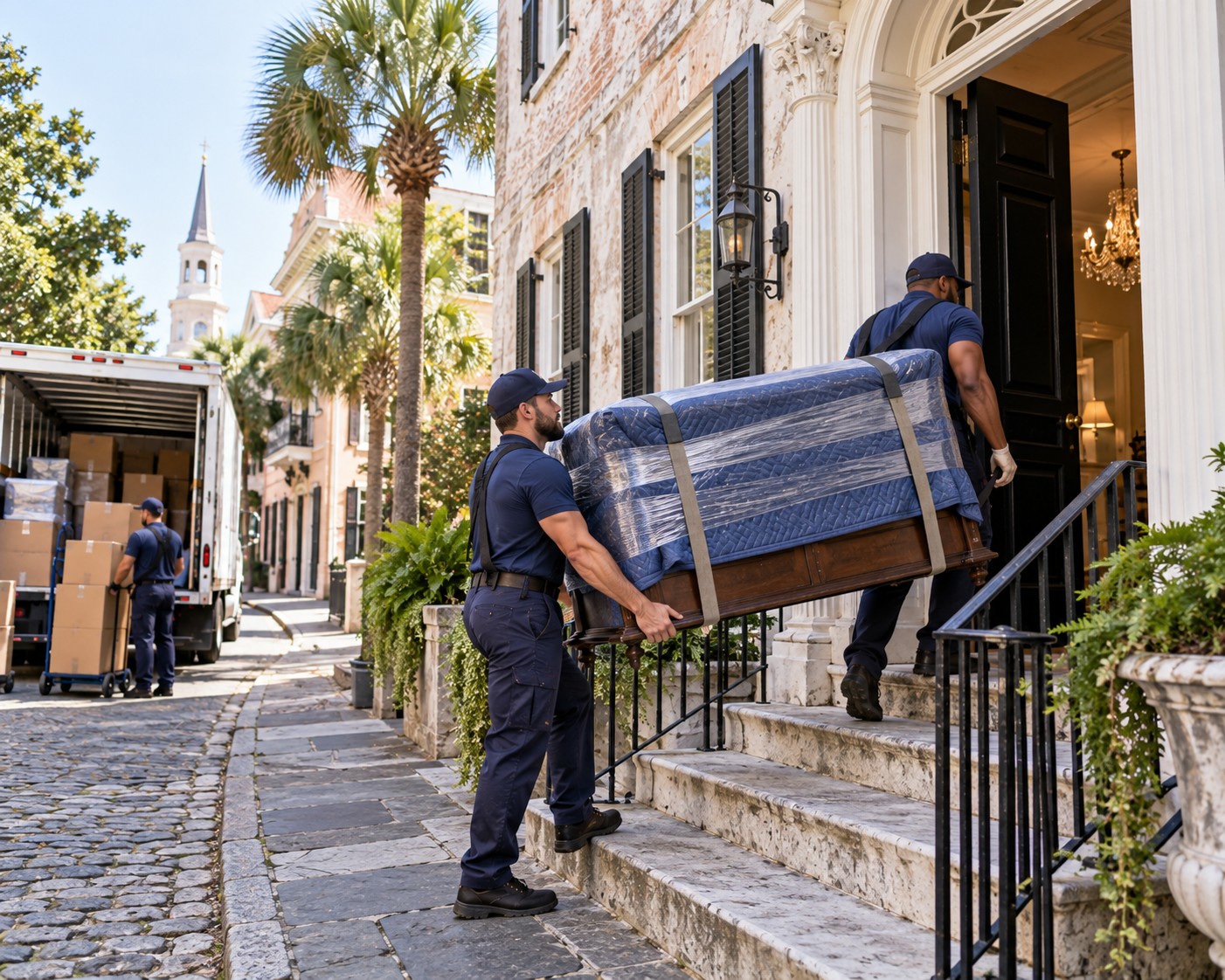
Relocating a home or business in Charleston can involve much more than packing furniture and arranging transportation. Historic properties often feature narrow entrances, steep staircases, delicate floors, limited parking, and architectural details that require special protection. In some areas, streets are compact, buildings stand close together, and modern moving equipment may not fit the way it would at a newer property.
For residents and businesses preparing for a move, professional assistance from https://starvanlinesmovers.com/ can make it easier to coordinate access, protect the building, and keep the relocation organized from the first box to the final piece of furniture.
Why Historic Charleston Properties Need a Different Plan
Older buildings can have layouts that were never designed for today’s large furniture or moving trucks. Doorways may be narrower than expected, staircases can include sharp turns, and upper-floor rooms may only be accessible by stairs. Some properties also have fragile plaster, decorative trim, original wood floors, or historic doors that should not be exposed to unnecessary pressure.
A pre-move walkthrough helps identify these details before moving day. The crew can evaluate the best entrance, determine whether furniture should be disassembled, and plan how items will travel through the property. Measuring sofas, wardrobes, desks, and large cabinets in advance can prevent difficult surprises when the truck arrives.
Those planning a relocation within the state can also explore https://starvanlinesmovers.com/locations/south-carolina for information about moving support in South Carolina.
Examine Every Route Through the Building
The shortest route is not always the safest route. A hallway may be wide enough for a person but too narrow for a large cabinet. A staircase may accommodate boxes but not a tall bookcase. Moving professionals should consider door clearance, ceiling height, stair angles, flooring, and the location of fragile architectural features.
Protective padding, floor coverings, corner guards, and careful lifting techniques can help reduce the chance of damage. These precautions are especially important when moving through shared entrances or buildings with strict preservation requirements.
Managing Parking and Street Access
Charleston’s historic districts can present logistical challenges outside the property as well. Limited curb space, narrow streets, parked vehicles, pedestrian traffic, and restricted loading areas may affect where a moving truck can stop.
Before the relocation, residents should confirm whether parking permits, loading reservations, or building approvals are required. It is also helpful to identify an alternative staging area in case the closest curb space is unavailable.
When the truck cannot stop directly beside the entrance, the distance between the vehicle and the property becomes part of the moving plan. Boxes and furniture may need to travel farther, making clear pathways and efficient staging even more important.
Protect Historic Features During Loading
Historic homes and commercial buildings deserve protection throughout the entire process. Door frames, banisters, stair rails, hardwood floors, tile, and painted walls can be vulnerable when large belongings are carried through tight spaces.
Furniture should be wrapped according to its material and size. Heavy pieces may require additional padding, while glass, mirrors, artwork, and antiques need specialized protection. Items should be lifted rather than dragged, particularly across original flooring.
Plan for Weather and Humidity
Charleston’s coastal climate can add another layer of preparation. Rain, humidity, and damp surfaces may create slippery conditions during loading and unloading. Protective coverings should be ready for entrances and interior floors, while sensitive belongings should remain shielded from moisture as much as possible.
A weather-aware schedule can also help reduce the time that furniture and boxes spend outdoors.
Make the Destination Ready
Access planning should continue at the new property. Confirm where the truck can park, which entrance should be used, and whether the destination has stairs, elevators, gates, or narrow corridors. If furniture needs to be placed in specific rooms, prepare a simple layout before delivery.
This is particularly useful in historic properties where moving a heavy item twice may be difficult. Clear placement instructions allow the crew to complete unloading more efficiently and reduce unnecessary handling.
A Charleston relocation becomes far more manageable when historic architecture, street access, weather, and furniture dimensions are considered together. With careful preparation and experienced movers, even a challenging historic building can be handled respectfully, safely, and with a clear plan.