 By admin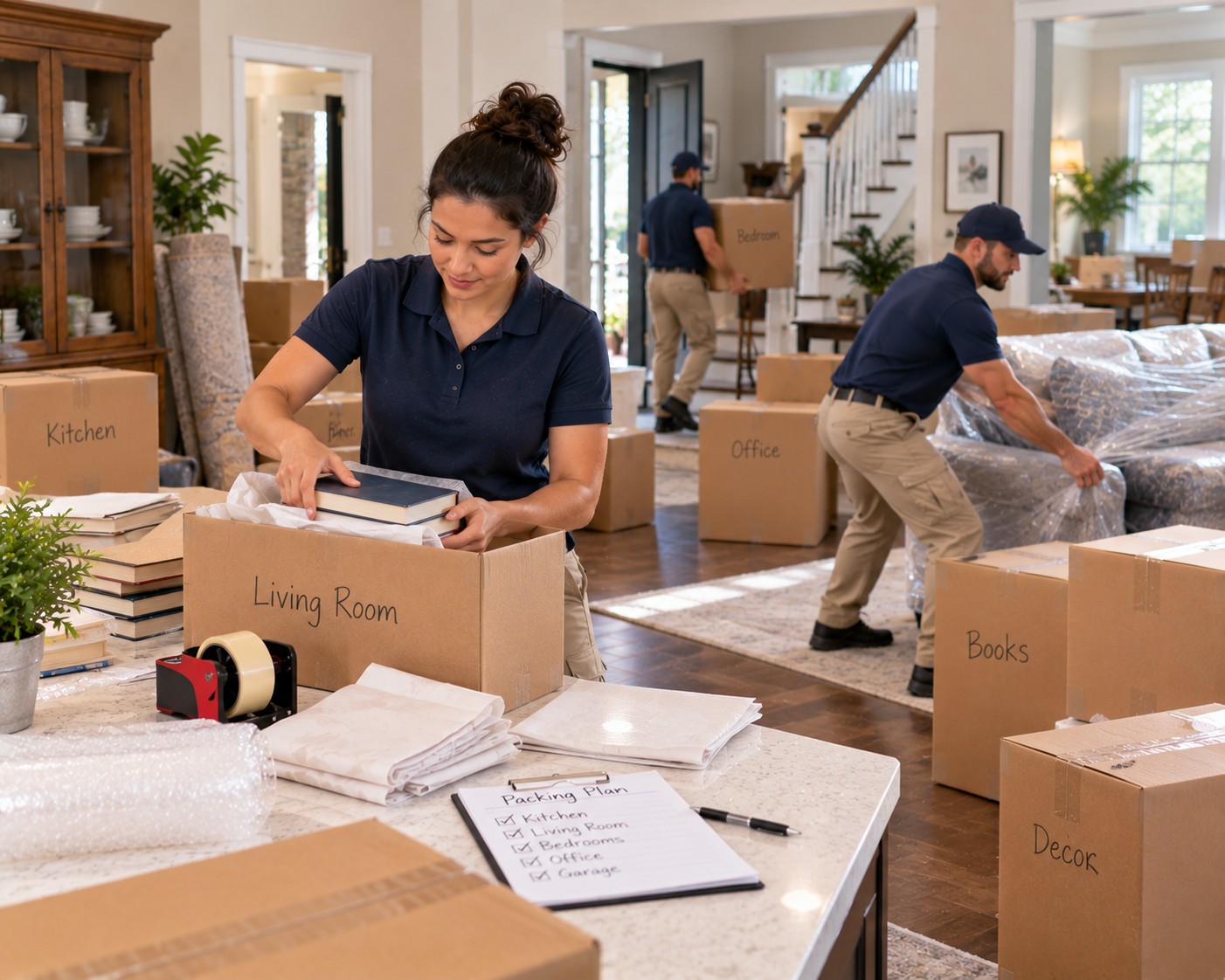
Packing a large home is rarely difficult because of the boxes themselves. The real challenge is managing the number of rooms, different types of belongings, bulky furniture, fragile objects, and countless small decisions that can slow the process. Without a clear system, packing often becomes a cycle of searching, moving items from one room to another, and discovering forgotten belongings at the last minute.
An expert approach begins with organization rather than tape and cardboard. With the right sequence, homeowners can create a practical workflow, protect valuable possessions, and make moving day easier. Price Movers offers professional support for household relocations, while its packing and unpacking solutions can be adapted to different home sizes and packing requirements. More information is available at https://pricemovers.com/.
Start With a Complete Home Assessment
Before packing the first box, professionals evaluate the property as a whole. They identify the number of rooms, storage areas, closets, garages, basements, and outdoor spaces that contain belongings.
Divide the House Into Zones
A large home should be separated into manageable packing zones. Each bedroom, bathroom, office, hallway closet, and utility area can receive its own packing plan.
This prevents items from different rooms becoming mixed together. It also helps movers place boxes in the correct areas at the destination. A simple room-by-room checklist can show which spaces are completed and which still require attention.
Identify Special Items Early
Large homes often contain belongings that require additional preparation, such as artwork, antiques, musical instruments, electronics, glass furniture, and oversized appliances.
These items should be identified before general packing begins. Fragile and valuable possessions may need special materials, custom protection, or separate handling instructions.
Sort Before Filling Boxes
Experts do not automatically pack everything they find. They first help determine what should move, what can be donated, and what no longer belongs in the household.
Create Keep, Donate, and Discard Groups
Sorting reduces the number of items that must be packed, carried, transported, and unpacked. It can also make the new home easier to organize.
Use clearly marked areas for belongings that will be moved, donated, sold, recycled, or discarded. Avoid allowing these groups to overlap, especially in busy rooms where several people may be working.
Pack Similar Items Together
Group belongings by function and room. Kitchen equipment should stay with kitchen items, while office supplies, books, clothing, and bathroom products should have separate categories.
This method makes labeling more useful and reduces the time spent searching for individual possessions later.
Build a Packing Sequence That Makes Sense
A large home should not be packed randomly. Experts usually begin with areas that are used less frequently and leave essential daily belongings until closer to moving day.
Begin With Decorative and Seasonal Items
Guest rooms, display cabinets, holiday decorations, spare linens, and rarely used equipment are often good starting points. Packing these items early creates visible progress without disrupting everyday routines.
Leave Essentials Until the End
Daily clothing, basic cooking equipment, medications, toiletries, chargers, important documents, and cleaning supplies should remain accessible. Prepare separate “first day” boxes so essential items are easy to locate immediately after arrival.
Use a Consistent Labeling System
Labels should communicate more than the general contents of a box. Include the destination room, a short description, and an indication of whether the box is fragile or should be opened quickly.
Color-coded labels can be helpful in a large home, especially when several movers are carrying boxes at the same time. A simple inventory list can also record box numbers and important contents without requiring every item to be listed individually.
Protect Furniture and Difficult Shapes
Large homes often contain furniture that cannot be packed in standard cartons. Tables, wardrobes, mirrors, lamps, and upholstered pieces need a different approach.
Professionals may disassemble suitable furniture, protect edges, cover surfaces, and secure removable parts. Hardware should be stored in labeled bags and attached to the relevant furniture whenever possible.
For homeowners who prefer assistance with the complete process, Price Movers provides packing and unpacking solutions covering household belongings, fragile goods, electronics, appliances, and personal effects. The service can be organized around the size and complexity of the move.
Keep the Workflow Moving
A large packing project becomes more efficient when tasks are assigned clearly. One person may manage sorting, another may pack, while someone else labels boxes and updates the inventory.
Do not fill boxes beyond a safe lifting weight. Heavy items should go into smaller cartons, while lightweight belongings can be packed in larger containers. Keep walkways clear and remove finished boxes from active work areas.
When packing and unpacking solutions are planned from the beginning, the move becomes easier to control from the first room to the final box. A structured assessment, careful sorting, logical sequence, consistent labels, and proper protection allow even a large home to be packed with less confusion and greater efficiency.