 By admin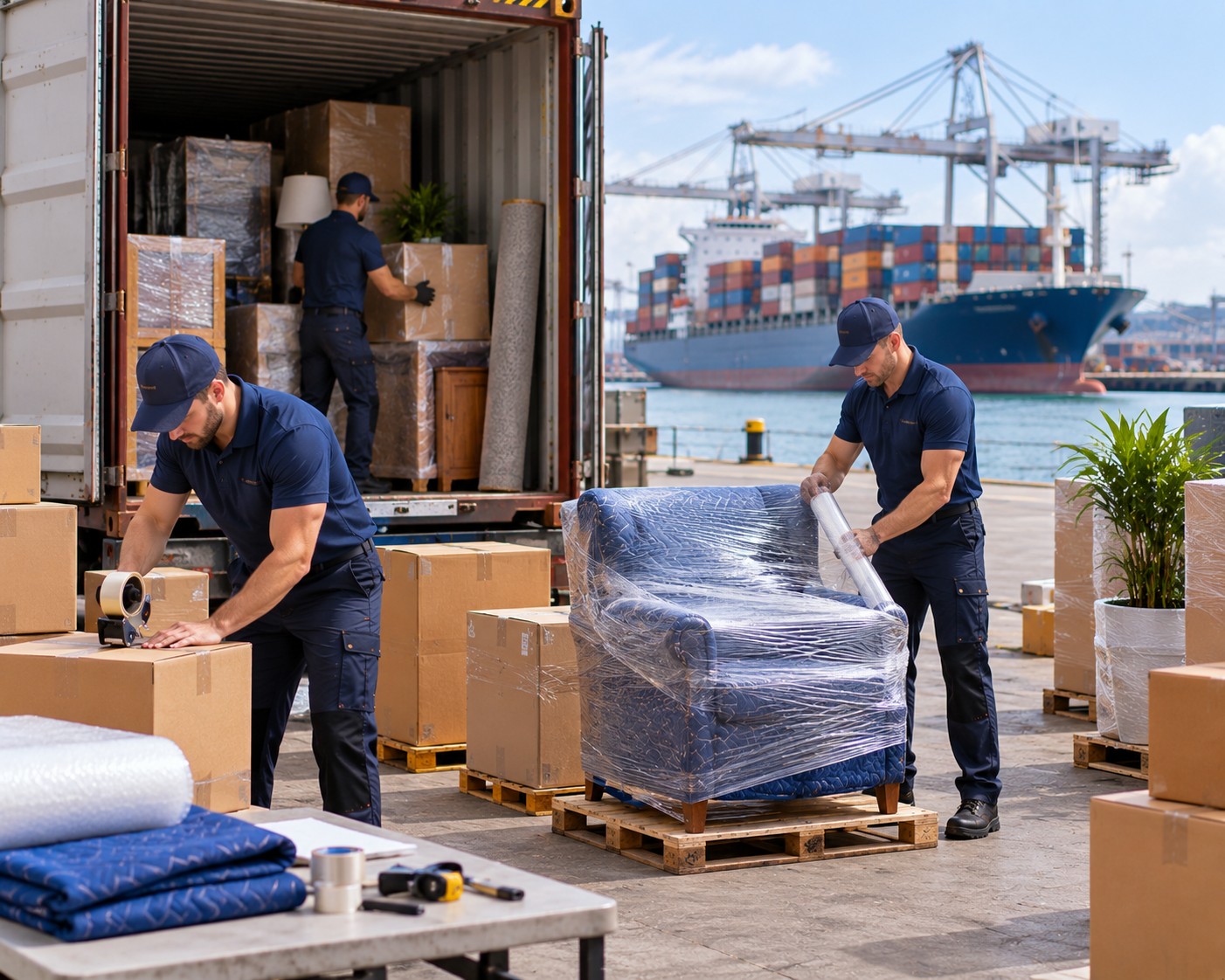
Moving household belongings across the Pacific is a very different experience from relocating between nearby cities. Furniture, boxes, appliances, and personal possessions may travel by truck, pass through a port, and continue by ocean freight before reaching their final home. Each stage introduces its own handling requirements, which is why preparation must begin long before the shipment leaves the mainland.
A reliable Hawaii Moving Company approaches this process as a carefully connected chain of tasks. The goal is to make household goods easier to identify, protect, load, transport, and deliver, even when the journey involves changing environments and several logistics teams.
Starting With a Detailed Household Assessment
Before packing begins, movers need to understand the size and character of the shipment. A household containing compact boxes and standard furniture may require a different plan from one with antiques, oversized sofas, artwork, or heavy appliances.
The assessment usually considers the number of rooms, approximate volume, furniture dimensions, fragile belongings, and any items requiring special handling. Customers should also mention unusually shaped possessions or pieces that cannot be disassembled.
Creating a Practical Inventory
An accurate inventory gives the moving team a reference throughout the shipment. Boxes can be labeled by room, category, or priority, while larger items may receive individual identification.
This organization becomes particularly valuable during Pacific transportation. When goods pass through multiple facilities, clear labels help reduce confusion and make it easier to confirm that the correct items are loaded and delivered.
Choosing Materials for a Longer Journey
Household goods traveling by sea may experience more handling than items moved locally. Packaging therefore needs to protect against movement, contact, pressure, and changes in the surrounding environment.
WA to HI Move Specialists can select packing materials based on the contents rather than using one method for everything. Furniture may be wrapped with protective blankets and film, while fragile objects can require layered cushioning, strong cartons, dividers, and reinforced corners.
Glass, ceramics, mirrors, electronics, and artwork should be packed so that they cannot shift freely inside their containers. Heavy objects should not be placed on top of delicate items, and empty spaces should be filled with suitable padding.

Preparing Furniture for Port Handling
Large furniture pieces often need additional preparation before they can be moved toward the port. Tables may have removable legs, beds can be taken apart, and shelving units may need to be separated into manageable sections.
Disassembly reduces overall dimensions and can make it easier to move items through doorways, loading areas, and warehouse spaces. Movers should keep screws, brackets, and other hardware in labeled bags attached to the appropriate furniture.
A Hawaii Moving Company may also use protective coverings for polished wood, upholstered surfaces, metal finishes, and other materials that can be scratched during loading or unloading.
Managing Items With Special Requirements
Not every household item is suitable for ordinary shipment preparation. Certain materials, hazardous products, perishables, and restricted goods may be subject to transportation rules.
Customers should disclose the contents of boxes honestly and ask questions about items that may require special approval. This is especially important when preparing household goods for a route involving mainland trucking, port procedures, and ocean transportation.
WA to HI Move Specialists can help customers identify potential concerns early, allowing unsuitable items to be removed before the shipment is packed and scheduled.
Protecting Sensitive Belongings
Climate and moisture considerations may influence how certain belongings are prepared. Wooden furniture, musical instruments, photographs, electronics, and delicate decorations can benefit from additional protection.
The appropriate solution depends on the item, packaging, storage conditions, and transportation method. Careful preparation helps reduce exposure to avoidable risks during the long journey.
Coordinating Loading and Documentation
Once packing is complete, the shipment must be loaded in an organized way. Movers consider weight distribution, access to individual items, furniture stability, and the order in which goods may need to be handled.
Documentation also matters. Inventory records, pickup details, delivery information, and special instructions should remain consistent throughout the process. If the customer’s address or delivery timing changes, the moving team needs updated information as early as possible.
The Pacific crossing may be only one part of the relocation, but preparation before departure has a major influence on the entire experience. With accurate inventories, suitable packing, protected furniture, and coordinated logistics, household goods are better positioned to complete the journey safely and arrive ready for life in their new home.