 By admin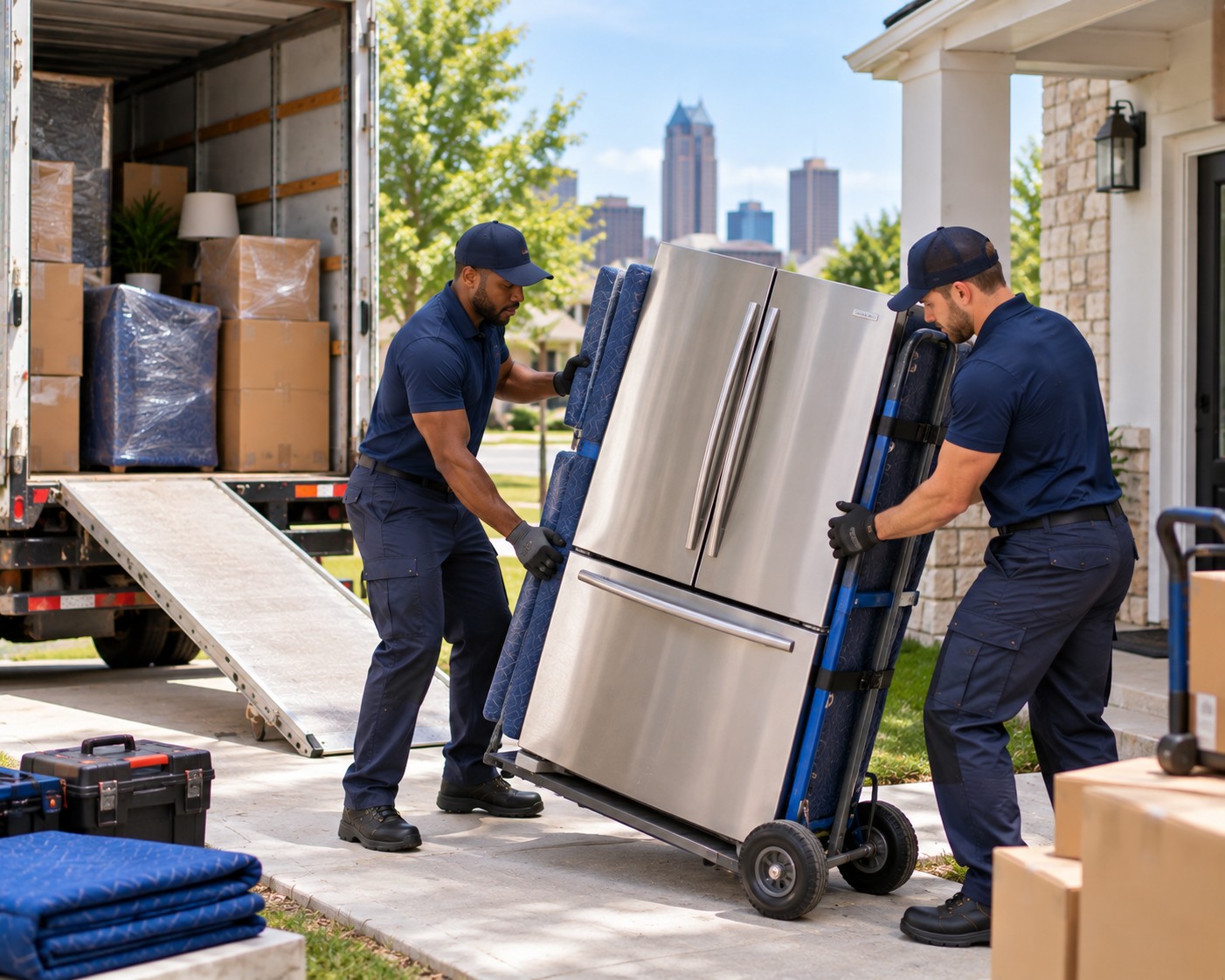
A refrigerator, washing machine, dryer, or large range may remain in the same position for years. When moving day arrives, however, these everyday appliances become some of the most demanding items in the home. Their weight, awkward shape, electrical connections, and delicate internal components require more planning than ordinary boxes or furniture.
A successful relocation in Columbus begins with identifying which appliances will travel, how they will be prepared, and whether the route to the moving truck is clear. Families searching for Movers in Columbus GA can benefit from choosing a team that treats appliance transportation as a specialized part of the household move rather than an afterthought.
Start With an Appliance Inventory
Before packing begins, walk through the kitchen, laundry room, garage, and utility areas. Make a list of every appliance that needs to be moved. This may include:
- Refrigerators and freezers
- Washing machines and dryers
- Dishwashers
- Ovens and ranges
- Microwaves
- Wine coolers
- Stand-alone ice makers
- Garage freezers or extra refrigerators
The inventory should also identify which items are freestanding and which are built into cabinets or countertops. Built-in appliances may require additional preparation and professional disconnection before they can be transported.
BigT’s moving support can be useful when a relocation includes several heavy appliances along with regular household furniture. Sharing the inventory in advance allows the moving team to prepare the appropriate equipment and estimate the time needed for loading.
Prepare Each Appliance Correctly
Appliances should never be treated as ordinary cartons. Their preparation depends on their type and condition.
Refrigerators and Freezers
Refrigerators and freezers should be emptied, cleaned, and allowed to dry before transportation. Shelves and removable drawers can be wrapped separately to prevent breakage. Doors should be secured according to the manufacturer’s recommendations, but they should not be sealed in a way that traps moisture inside.
If a freezer has accumulated ice, defrost it well before moving day. Water left inside can leak during transport and damage nearby belongings.
Washers and Dryers
Washing machines contain internal components that can shift when the appliance is moved. If the original transit bolts are available, use them according to the manufacturer’s instructions. Hoses should be disconnected, drained, and labeled so that installation at the destination is easier.
Dryers also require attention to their power connections and ventilation components. Gas-powered appliances should be disconnected by a qualified professional when necessary.

Measure the Route Before Lifting
The appliance may fit perfectly in the kitchen but still be difficult to remove from the property. Measure doorways, hallways, staircases, gates, and the distance to the truck.
Protect Floors and Corners
Heavy appliances can damage flooring, trim, walls, and door frames when moved without proper protection. Use suitable floor coverings and protective materials along the route. Do not attempt to slide large appliances across delicate flooring without equipment designed for that purpose.
Movers in Columbus GA can help evaluate the route before the actual lifting begins. This is particularly important in older homes, narrow kitchens, split-level properties, and residences with steps leading to the driveway.
Use the Right Equipment
A refrigerator or washing machine should not be carried by its doors, hoses, handles, or control panels. Professional crews typically use appliance dollies, straps, ramps, padding, and other equipment suited to heavy household items.
The appliance should remain stable during movement and be secured properly inside the truck. It should also be positioned so that heavier objects do not fall against it during transportation.
Families who first discover BigT through https://bigtmovers.com/ can consider discussing appliance dimensions, access restrictions, and special handling needs before confirming the moving schedule.
Prepare the New Home
The destination should be ready before appliances arrive. Check that the refrigerator space is clear, laundry hookups are accessible, and the electrical outlets are suitable for the equipment. If a gas appliance is involved, arrange for the necessary professional connection.
Do not rush to operate every appliance immediately after unloading. Refrigerators may need time to settle after transportation, depending on how they were moved and the manufacturer’s instructions.
Make Appliance Moving Part of the Overall Plan
A relocation becomes more efficient when appliances are included in the loading sequence from the beginning. Their size and weight can affect truck space, doorway access, and the order in which other belongings are removed.
For households comparing Movers in Columbus GA, the right moving company should be prepared to discuss appliance preparation, route protection, equipment, and destination setup. With careful planning and assistance from BigT, large household appliances can reach the new home safely and be ready for the next stage of everyday life.